Time and Civilizations — What Outlives an Empire
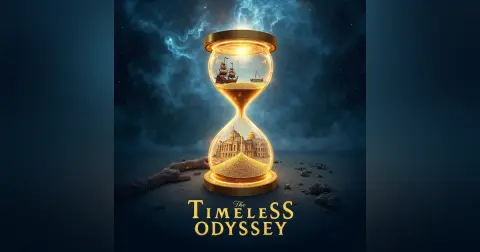



Empires may collapse politically, but civilizations often survive through language, law, religion, technology, customs, infrastructure, and ideas. What disappears from the map can continue shaping human life for centuries.
Civilizations do not survive by remaining unchanged. Their traditions are absorbed, adapted, and reinterpreted by later societies. Roads, legal principles, stories, rituals, and even ordinary habits can preserve the influence of vanished worlds long after their rulers are forgotten.
What survives is not always what people intended to preserve. Palaces can become ruins while anonymous inventions, social practices, or ideas endure. Time does not necessarily remember power in the way power expects.
The deepest legacy of a civilization is therefore not permanence, but inheritance. Every society eventually becomes material for the future, leaving behind foundations, warnings, memories, and consequences for people it will never meet.