Time and Digital Immortality — Can Memory Replace a Life?
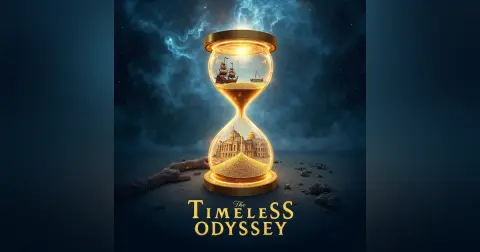


Digital technology allows people to leave behind enormous archives of photographs, messages, recordings, and personal data. In the future, artificial systems may be able to use those traces to imitate someone’s voice, memories, habits, and personality with remarkable accuracy.
But memory is not the same as a living person. Human identity is constantly changing through new experiences, relationships, regrets, and choices. A digital reconstruction may preserve who someone was, yet it cannot automatically preserve who that person would have become.
Such technology could offer comfort to people experiencing grief, but it also raises difficult questions about consent, identity, ownership, and whether an interactive simulation truly continues a relationship or only imitates one.
Digital immortality may ultimately be better understood as a new form of legacy rather than literal survival. Memory can carry fragments of a person into the future, but replacing a life would require more than preserving the past—it would require somehow preserving the ability to keep becoming.