Feb. 4, 2026
What Urban Crime Reveals About Power Justice and Society
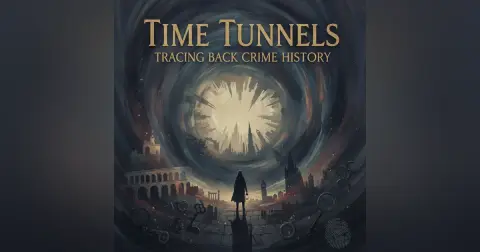


The final episode synthesizes twenty-seven episodes of historical analysis to ask what urban crime reveals about the nature of power, justice, and society itself. We examine recurring patterns: how crime emerges from marginalization, how law enforcement protects property more than people, how punishment is applied unequally, how criminalization often addresses symptoms rather than causes. We trace how cities have repeatedly chosen enforcement over prevention, punishment over rehabilitation, control over care—and what those choices have cost. Using historical synthesis, expert analysis, and philosophical reflection, we explore whether crime is inevitable in urban societies, whether justice systems can ever be truly just, and what alternatives exist to the patterns that have repeated across centuries. This episode asks what we would need to change—about economics, about power, about how we organize cities—to address crime at its roots rather than its symptoms. It closes by asking whether the history of urban crime is a history of failure, or whether it's a record of the choices we've made and could still change.