The Joke Nobody Got Gym Culture OnlyFans and the Hypocrisy We are Missing

 Spotify
  Deezer
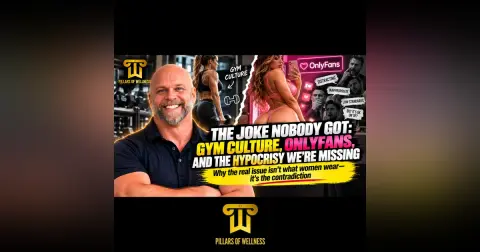
 In this episode, Dr. Matt Chalmers dives into one of the internet's most talked-about controversies: comedian Shane Gillis's comments about women's gym attire. But this isn't a straightforward debate about what people wear to the gym. Instead, the host unpacks the layers of a joke that he argues everyone completely missed—revealing a fascinating contradiction at the heart of modern social media culture. By exploring the gap between how women present themselves online versus how they react to being observed in person, Chalmers examines deeper questions about body autonomy, social media monetization, gender dynamics, and what it really means to "earn" the right to display your physique. Whether you agree with his take or not, this episode challenges you to think critically about the contradictions we all navigate in the age of Instagram, OnlyFans, and gym culture.
1. The Shane Gillis ControversyThe host discusses a recent controversy involving comedian Shane Gillis and comments he made about women's gym attire. This serves as the primary springboard for the entire episode's discussion.
2. The Actual Joke vs. Perceived OffenseA central theme is the host's analysis of what the actual joke was versus what people thought it was about. He argues that people missed the real point: the joke wasn't simply about how women dress, but rather the contradiction between women dressing provocatively to attract online attention while simultaneously objecting to men looking at them in person at the gym.
3. Sexualization and Social MediaThe host explores the connection between gym attire, social media content creation (specifically OnlyFans and Instagram), and the sexualization of the body. He discusses how women film themselves in revealing clothing to attract online engagement and monetize their appearance, while simultaneously criticizing men for looking at them in the gym.
4. Body Positivity vs. Earned RespectThe host presents a nuanced take on body display, arguing that people who have dedicated significant time and effort to building their physiques (through diet, exercise, and sacrifice) have "earned" the right to display their bodies. He contrasts this with those who haven't put in the work.
5. Gender Differences in Comfort and FashionThe host discusses perceived differences between men and women regarding comfort in clothing, particularly at the gym. He questions the practicality of certain clothing choices (like tight, minimal gym wear) and humorously contrasts male and female approaches to comfort and fashion.
6. Hygiene and Gym EtiquetteThere's discussion about practical gym concerns like hygiene, sweating on machines, and the use of towels—raising questions about whether minimal clothing choices are truly about comfort or other motivations.
Check out Chalmers Pillarsofwellness.com for Wellness updates! And ask me any questions you have at questions@chalmerswellness.com.
I answer them all and look forward to hearing from you.
Comment, like, and interact with other people on their wellness journey. Communities can make a difference. DrChalmers.substack.com
Check out my website: https://pillarsofwellness.com/
Social Channels:
Instagram: https://www.instagram.com/drchalmers1/
FaceBook: https://www.facebook.com/ChalmersWellness
LinkedIn: https://www.linkedin.com/in/matt-chalmers-a422803b/
Pillars of Wellness Substack: Dr. Chalmers Substack: https://drchalmers.substack.com/
Disclaimer: This content is for informational purposes only. Before taking any action based on this information, you should first consult with your physician or health care provider. This information is not intended to be a substitute for professional medical advice, diagnosis, or treatment. Always seek the advice of your physician or other qualified health providers with any questions regarding a medical condition, your health, or wellness