Wednesday, November 25, 2026


A bill backed by President Donald Trump has advanced out of the U.S. Senate with some bipartisan support. The federal permitting reform proposal now sits with the House, where a vote looms next month.
KJZZ’s Gabriel Pietrorazio has more.
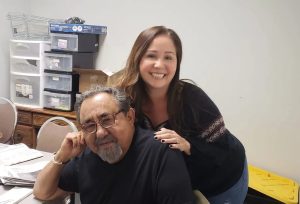
U.S. Rep. Adelita Grijalva, D-Arizona, is alarmed by how the bill would effectively strip tribal consultation from Section 106 of the National Historic Preservation Act, which tribes have long used as a legal defense to save sacred sites.
“I was really disappointed.”
She says her dad, the late U.S. Rep. Raúl Grijalva, would be too.
“He would hate every bit of it – would be as vocal, if not more than I’m being, just because he was a part of helping to create so much of the protections that were all thrown out. ”
U.S. Sen. Ruben Gallego, D-Arizona, was among 14 Democratic senators who broke party lines, but U.S. Sen. Mark Kelly, D-Arizona, did not.
“I’m very glad that Sen. Kelly was able to see through all of that. I’ve been texting concerns to both senators and I unfortunately didn’t hear back with Gallego’s team. ”
In a statement, Gallego admitted “there is still work to be done” to address tribal concerns, but argued the overall bill “is an important step forward”.

(Courtesy Potawatomi Casino Hotel / Facebook)
The Forest County Potawatomi in Wisconsin have been trying to diversify their economic picture, but as Chuck Quirnbach reports, the 1,800-member tribe is among many facing financial uncertainty.
Casinos helped jump-start Forest County Potawatomi revenues over the last 35 years. That includes the first off-reservation tribal gaming facility in the United States, built on ceded Potawatomi land in Milwaukee.
As Kip Ritchie recently told the Milwaukee Rotary Club, the tribe also took another key step and formed a business development corporation.
“With one purpose –to make sure the tribe would never again be dependent on a single source of revenue. Because our elders understood something: the fire you keep can’t depend on one log.”
Ritchie now heads that economic development arm, called Potawatomi Ventures. The tribe’s $117 million portfolio also includes a string of commercial businesses, investments, and federal government contracts.
Potawatomi employment has risen to nearly 900 employees, including many non-tribal members, but Ritchie says one challenge to maintaining that total is that federal rules have shifted the last couple years, and the number of contracts is shrinking.
“Now we still have contracts that we’re performing, and that we’ll perform over the next couple years. But as we look out into 2028 and 2029, a lot of uncertainty.”
The contracting concern affects many other tribes too.
Ritchie says one option the Potawatomi are considering is to increase the amount of revenue from a small data center the tribe operates on trust land in Milwaukee, by expanding the center’s capacity.
“We don’t want to take away from future generations, the opportunity as technology expands and grows, to grow that building if it makes sense. Right?”
Besides having outside customers, the data center also serves the Potawatomi’s business needs.
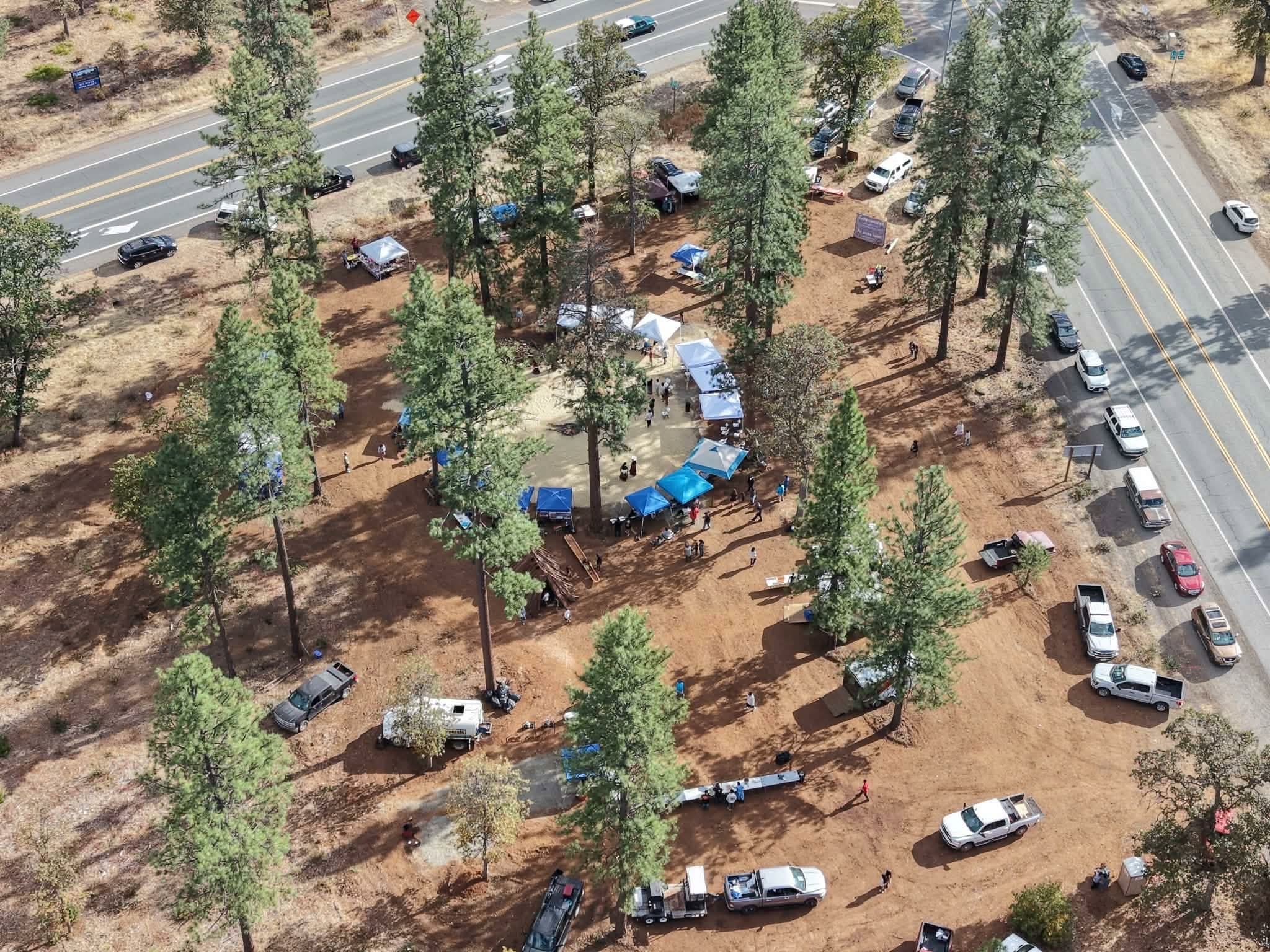
The annual Four Corners Occupation Commemoration in October 2026. (Courtesy Pit River Tribe / Facebook)
A Northern California tribe is one step closer to reclaiming a portion of its ancestral homeland.
The U.S. House of Representatives has passed the Pit River Land Transfer Act, sending the legislation to President Trump’s desk.
The measure would transfer federal land known as the Four Corners property in Shasta County into trust for the Pit River Tribe.
The land would become part of the tribe’s reservation, strengthening its ability to manage and protect an area with cultural and historical significance.
The legislation represents another step in ongoing efforts by Tribal Nations across the country to regain ownership and stewardship of ancestral lands.
Supporters say returning land to tribal control is an important part of strengthening sovereignty and preserving cultural connections for future generations.
The bill now awaits presidential action before it can become law.
Get National Native News delivered to your inbox daily. Sign up for our daily newsletter today.
Download our NV1 Android or iOs App for breaking news alerts.
Check out today’s Native America Calling episode
Wednesday, November 25, 2026 — Native in the Spotlight: Larry Yazzie