Friday, November 27, 2026


Stretching a grocery budget is something familiar to many Minnesotans these days.
Indigenous programs are teaching kids and others how to get the most out of their foods, and making use of the land is a part of it, as Mike Moen reports.
National polling shows a link between elevated food prices and more people spending time in vegetable gardens.
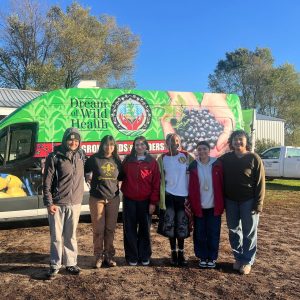
The organization Dream of Wild Health educates urban Native Americans about cultural food traditions while operating a 30-acre farm north of the Twin Cities.
The group’s Kayla Garrett is an alumnus of their youth program, where kids are taught how to grow and cook food. She describes their outreach as an investment in food production.
“Youth involved in the work, they grow up to teach their peers, teach their parents, their grandchildren, and it just starts at an early level, like a love for food, a love for being healthy, and a love for revitalizing traditions.”
The farm grows more than 200 varieties of rare bean, corn, squash, and other seeds, while serving as a place for Natives and non-Natives to rebuild a relationship with the land.
Garrett says the timing is important, as food deserts plague under-resourced neighborhoods and store prices for healthy foods climb. She says struggling households also need space and guidance to process and prepare food supplies that will last.
lot of people might assume rethinking how they fill up their cabinets and freezers is not for them, Garrett adds, but she thinks it is not out of reach.
“It seems difficult, but anybody can grow food, really. And when you grow food, it’s not just for yourself, but you’re looking at abundance for a community.”
Food produced by Dream of Wild Health is distributed and donated through partner organizations. It is also sold in bulk to Native households on a sliding scale through food shares.
Non-Natives can also find items at local farmers markets. Statewide, online sources have maps showing more than 100 community gardens around Minnesota, with many taking similar approaches.
Qias
A Maine task force is recommending changes to a decades-old agreement that has limited the authority of the state’s federally recognized tribal nations.
The recommendations could expand sovereignty protections for the Penobscot Nation, Passamaquoddy Tribe, Houlton Band of Maliseet Indians, and Mi’kmaq Nation.
The task force unanimously recommended that federal laws benefiting tribal nations elsewhere in the United States also apply to Maine’s Wabanaki Nations.
The issue stems from the Maine Indian Claims Settlement Act of 1980, which established a unique relationship between the state and tribes.
Unlike most federally recognized tribes, Wabanaki Nations have faced restrictions on their ability to benefit from certain federal Indian laws.
Tribal leaders have argued those restrictions limit economic development, environmental protection, and self-governance.
Supporters of reform say updating the agreement would help restore rights enjoyed by tribal nations across the country.
The recommendations come after years of debate over how much authority Maine’s tribes should have on their lands and communities. Any changes would require further legislative action.
Maine lawmakers are expected to consider the recommendations when the new legislative session begins in January.
The debate could have lasting implications for tribal sovereignty and the relationship between Maine state government and Wabanaki Nations.
Get National Native News delivered to your inbox daily. Sign up for our daily newsletter today.
Download our NV1 Android or iOs App for breaking news alerts.
Check out today’s Native America Calling episode