Episodes

Jan. 4, 2017
Surgical Ethics
In this episode Marie Gojmerac, medical student at the University of Alberta discusses ethics. After listening to this podcast you should be able to: Define Ethics Understand how ethics come into play in surgery Discuss the ethical tool kit and how to use it through a real case
Dec. 21, 2016
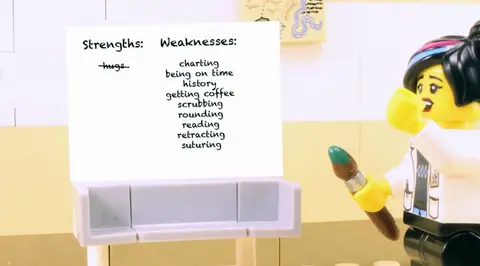
LEGO Surgery: Feedback
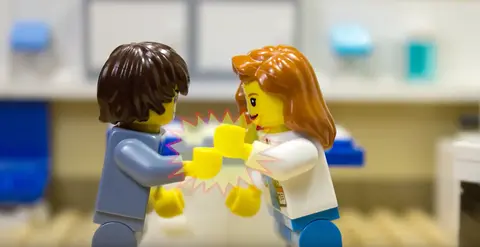
In this video a senior LEGO resident gives a junior resident some tips for giving feedback to students to help them improve.
Dec. 14, 2016
Post-Operative Orders
In this episode, 4th year medical student at the University of Alberta, Mark Rockley talks about post-operative orders. Although this topic is important for any surgical team member, this podcast will be tailored for medical students. After listening to this podcast you should be able to: Discuss the importance of prudent post-operative orders. Describe the […]
Dec. 7, 2016
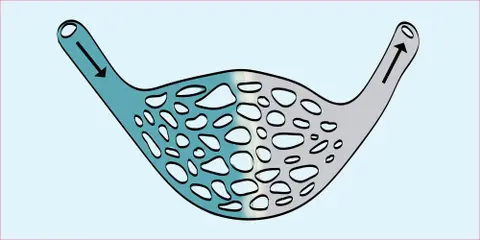
Acute Mesenteric Ischemia
In this episode Susie Youn, a medical student at the University of Alberta, will discuss acute mesenteric ischemia. After listening to this episode you should be able to: Describe the pathophysiology of this condition Understand the presentation of acute mesenteric ischemia Explain the work-up Review the management of acute mesenteric ischemia
Nov. 30, 2016
Head and Neck Exam
In this episode, 4th year medical student, Allison Edwards guides of through a complete Head and Neck examination. A complete head and neck exam is an important skill for any physician to master. While family doctors, pediatricians, emergency physicians and otolaryngologists will use this skill the most, you never know when a family member is […]
Nov. 23, 2016
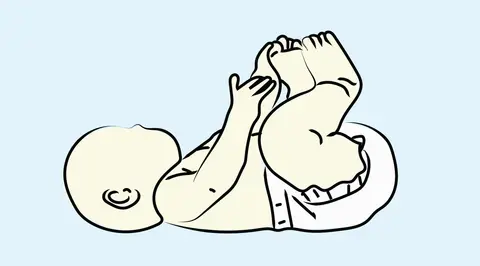
Pectus Deformities
In this episode Nikytha Antony, Medical Student from the University of Alberta (in collaboration with Pediatric Surgeon Dr. Bryan Dicken) discusses Pectus Deformities. After listening to this podcast you should be able to: Define pectus excavatum and pectus carinatum Describe the epidemiology and pathophysiology of pectus deformities Recognize the symptoms that might be present on […]
Nov. 16, 2016
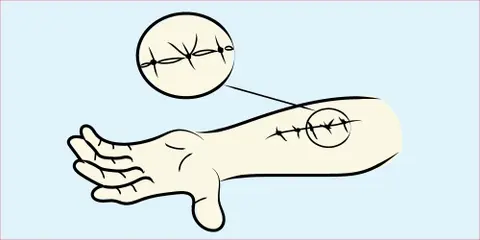
Negative Pressure Wound Therapy
In this episode we are joined by Dr. Aya Musbahi, a General Surgery trainee from Newcastle, United Kingdom, who will be talking about about the use of wound vacuums and negative pressure wound therapy. After listening to this podcast you should be able to: Define negative pressure wound therapy Understand how negative pressure wound therapy […]
Nov. 9, 2016
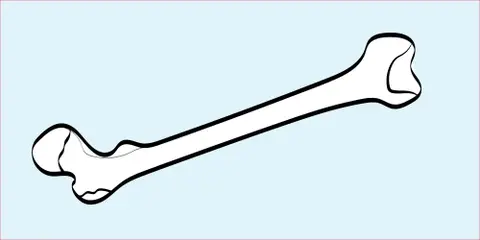
Septic Arthritis
In this episode 4th year medical student at the University of Alberta, Michael Goplen, discusses septic arthritis. After listening to this podcast you should be able to: Describe the presentation of septic arthritis Understand the etiology Explain a complete physical exam and history of suspected septic arthritis Recognize the diagnosis and management
Nov. 2, 2016
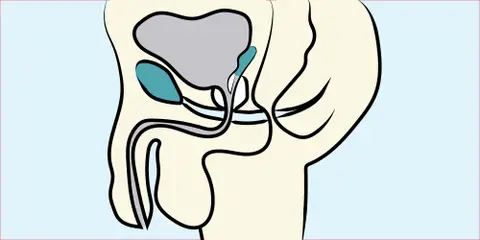
Vasectomy
This week we are joined by Dr. Keith Rourke, a Urologist at the University of Alberta, who will be discussing the Vasectomy. After this podcast you will be able to: Describe the reasons a patient would want a vasectomy Know who should get a vasectomy Review common myths Understand the procedure and follow-up Comprehend the […]
Oct. 27, 2016
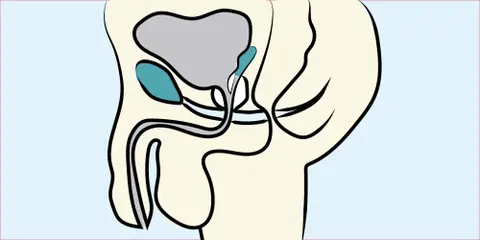
Urinary Catheterization
In this episode of Surgery 101 Dr. Keith Rourke, a Urologist at the University of Alberta, discusses urinary catheterization. After watching this video you should be able to: – Understand what a catheter is – Know why people need catheters – Define the urethra – Describe proper catheterization techniques – Explain the different types of catheters and their uses – Troubleshoot difficult scenarios
Oct. 19, 2016
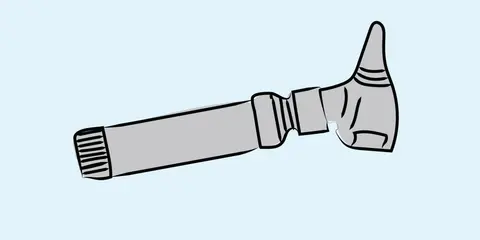
Examination of the Scrotum
In this episode of Surgery 101 Dr. Trevor Schuler, a Urologist at the University of Alberta, demonstrates how to give a complete examination of the scrotum, including the: – Set-up – Inspection – Palpation – Ausculation – Transillumination – Common findings For more videos and podcasts visit Surgery101.org
Oct. 13, 2016
LEGO Surgery: Why Teach?
In this video a LEGO resident explains the importance of teaching medical students and how easy it is to start teaching.
Sept. 28, 2016
Rhinosinusitis
This week we are joined by 4th year University of Ottawa student Zuhaib Mir who will be discussing Acute Bacterial Rhinosinusitis. This podcast was created as a collaborative effort between Surgery101, LearnENT, and the Canadian Society of Otolarygology-Head & Neck Surgery as part of a special series of topics on primary care otolaryngology. After this […]
Sept. 21, 2016
Otitis Externa
This week we are joined by 4th year University of Ottawa student Zuhaib Mir who will be discussing Otitis Externa. After this podcast you will be able to: Discuss the relevant anatomy and pathophysiology of Otitis Externa Understand the risk factors associated Describe the clinical presentation and diagnosis Review Differential diagnosis Recommend treatment for Acute […]
Sept. 14, 2016
Chronic Otitis Media
This week we are joined by 4th year University of Ottawa student Zuhaib Mir who will be discussing Chronic Otitis Media. After this podcast you will be able to: Discuss relevant anatomy Explain the pathophysiology associated Understand the risk factors Review the presentation and diagnosis Discuss treatment options Consider complications and reasons for referral
Sept. 1, 2016
Acute Otitis Media
This week we are joined by 4th year University of Ottawa student Zuhaib Mir who will be discussing Acute Otitis Media. After this podcast you will be able to: Define Acute Otitis Media Understand the Pathophysiology and risk factors of Acute Otitis Media Describe the clinical presentation and differential diagnosis Recommend treatment for Acute Otitis […]
Aug. 17, 2016
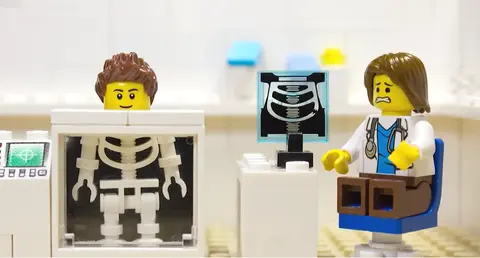
LEGO Surgery: One Minute Preceptor
In this video one resident offers advice to another on the One Minute Preceptor model of teaching. OMP allows the student ownership of the clinical scenario and lets you to identify gaps in the student’s knowledge base and focus teaching appropriately their needs. At the end you should give one positive note and give them […]
Aug. 3, 2016
LEGO Surgery: Just Press Play (RIME)
In this video a senior resident gives a framework on how to teach medical students to take concise histories and relay the important information to their attending.
July 20, 2016
LEGO Surgery: Coffee Talk
In this video a junior resident seeks advice from his senior on small teaching sessions over coffee. For more videos and podcasts visit surgery101.org
July 13, 2016
LEGO Surgery: New Student Day
In this video a resident is feeling inadequate when it comes to teaching medical students and seeks advice from his senior resident. For more videos and podcasts visit Surgery101.org
April 20, 2016
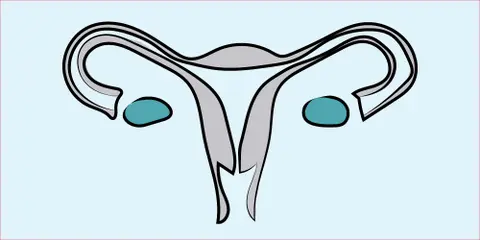
Infertility
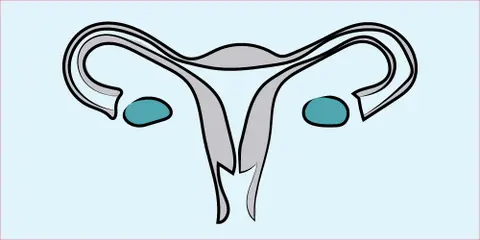
In this episode 4th year medical student, Dalia Bibr, from the University of Toronto explains the different types of infertility, investigations, and treatment. After listening to this episode, learners should be able to: Define infertility and discuss the difference between primary and secondary infertility Discuss the etiology of infertility with a focus on female factors […]
April 13, 2016
Contraception
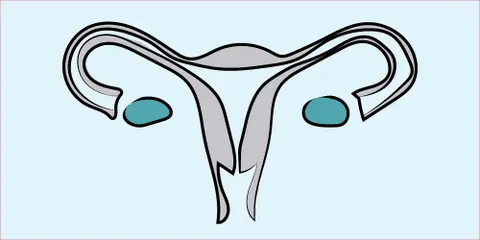
In this episode 4th year medical student, Dalia Bibr, from the University of Toronto explains the different options available for female contraception. After listening to this episode, learners should be able to: Discuss a systematic approach to the different options available for contraception Discuss in depth the most common or recommended options for female contraception […]
April 6, 2016
Spontaneous Abortion
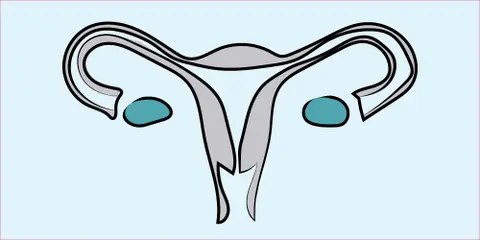
In this episode 4th year medical student, Dalia Bibr, from the University of Toronto guides us through the topic of Spontaneous Abortion. After listening to this episode, learners should be able to: Understand what qualifies as a spontaneous abortion and what the different types are Understand the different maternal and fetal factors that can increase […]
March 30, 2016
Uterine Fibroids
In this episode 4th year medical student, Dalia Bibr, from the University of Toronto discusses Uterine Fibroids. After listening to this episode, learners should be able to: 1. Understand what a leiomyoma is and the different types 2. Discuss clinical presentation and risk factors 3. Understand the particular investigations that contribute to diagnosis 4. Understand […]