Episodes
July 6, 2022
Liver Series – Benign Liver Lesions
After listening to this episode, you will be able to: List the most common types of benign liver lesions Outline the assessment, diagnosis and treatment of the patient diagnosed with a benign liver lesion
June 29, 2022
Liver Series – Liver Cirrhosis
By the end of this episode you will be able to: Describe the anatomy and physiology of the liver Outline the pathophysiology and common symptoms of liver failure Explain how to assess and treat a patient with cirrhosis

June 22, 2022
Interview with Dr. David Lesniak, Oncoplastic Breast Surgeon
In this episode, University of Alberta medical student Ryerson Seguin interviews oncoplastic breast surgeon Dr. David Lesniak.
June 15, 2022
Benign Renal Masses
By the end of this podcast, listeners will be able to: Discuss the epidemiology and natural history of benign renal masses List the most common types of benign renal masses Describe the investigations used to differentiate between a benign and malignant renal mass Describe the management of benign renal masses
June 8, 2022
HPV Related Oropharyngeal Cancers
At the end of this episode, you will be able to: Describe what HPV is and how it relates to cancer, in particular head and neck cancers Recognize the risk factors for HPV-related head and neck cancers Differentiate between HPV-related and non-HPV related head and neck cancers List various management and treatment options for HPV-related […]
June 1, 2022
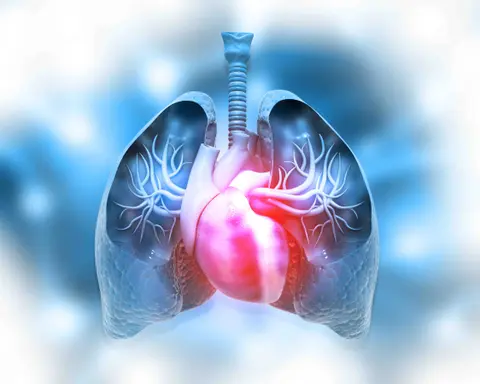
Chylothorax
At the end of this episode, you will be able to: Explain the pathophysiology of a chylothorax List the common etiologies of a chylothorax Describe the assessment strategies for chylothorax Understand the treatment options available for chylothorax
May 25, 2022
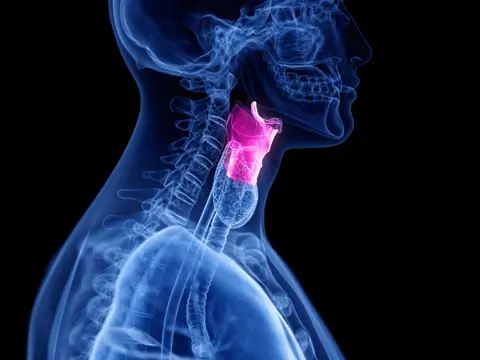
Vocal Fold Paralysis
At the end of this episode, you will be able to: List the common etiologies of vocal fold paralysis Recognize the common presentations of vocal fold paralysis Explain the process to diagnose vocal fold paralysis Describe the management and treatment options for vocal fold paralysis
May 18, 2022
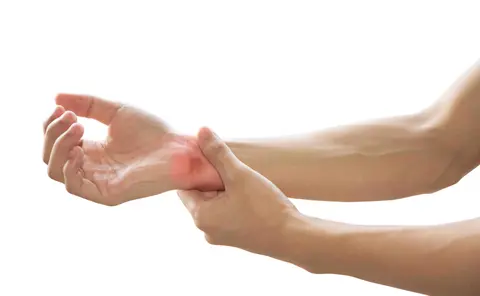
Distal Radial Fractures
After listening to this episode, learners should be able to: Describe the typical clinical presentation of distal radius fractures Outline the diagnosis and management of the patient with distal radius fractures

May 11, 2022
Pituitary Adenoma
By the end of this podcast, you Outline the anatomy and physiology of the pituitary gland and the pathophysiology of pituitary tumours Describe the clinical presentation of pituitary adenomas, including endocrine and mass effect signs and symptoms Classify pituitary adenomas, based both on size and hormonal dysfunction List clinically useful investigations, including bloodwork and imaging. […]
May 4, 2022
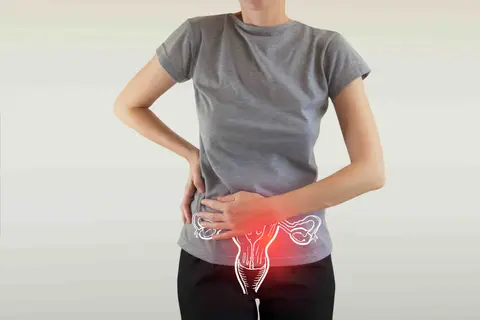
Hysterectomy
After listening to this podcast, learners will be able to: List the reasons for which hysterectomies are done Outline the types of hysterectomies Outlines the route of hysterectomy and factors to consider when choosing route of hysterectomy Outline the advantages and disadvantages of the various surgical approaches List the pre-operative steps taken before a hysterectomy […]
April 27, 2022
Principles of Composite Tissue Flaps
After listening to this episode, learners will be able to: Describe what a composite tissue flap is. Broadly describe the different ways of categorizing flaps. Detail the main differences between a random pattern flap and axial pattern flap. Provide examples of flaps and their uses. Outline the post-operative management of flaps.
April 20, 2022
Nerve Repair and Grafting (Part 2)
After listening to this episode, learners will be able to: Differentiate the timing of repair for nerve injuries taking into account the acuity and mechanism of injury. Describe the investigations available to help diagnose a nerve injury. List the potential management options for a neuroma. Describe the basic principles of nerve grafting and reconstruction. Outline […]
April 13, 2022
Nerve Repair and Grafting (Part 1)
After listening to this first episode, learners will be able to: Describe the basic anatomy and physiology of nerves. Describe what Wallerian degeneration is and provide the basics of peripheral nerve regeneration. Describe a basic approach to history taking after a peripheral nerve injury. Describe the classification of nerve injuries using the Seddon and Sunderland […]
April 6, 2022
Basics of Microsurgery
After listening to this first episode, learners will be able to: Define what microsurgery is and provide examples of its applications. Describe the basic anatomy and physiology of blood vessels. Describe the initial approach to managing a laceration to the hand/wrist. List the basic tools and solutions you would find on the microsurgical field. Describe […]
March 30, 2022
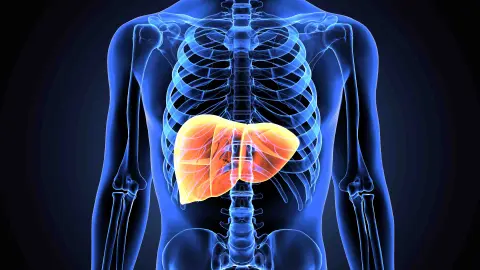
Approach to Liver Masses
At the end of the episode you will be able to: Understand how a focal liver lesion may present Develop a differential diagnosis of benign and serious causes for focal liver lesions Describe the diagnostic workup and potential management plans for a focal liver lesion
March 23, 2022
Merkel Cell Carcinoma
After listening to this podcast, learners will be able to: Describe common etiologies of MCC List risk factors for MCC Recognize classic presentation of MCC Develop a differential diagnosis for an asymptomatic growing nodule Outline the diagnostic work-up for MCC Describe therapeutic options for MCC
March 16, 2022
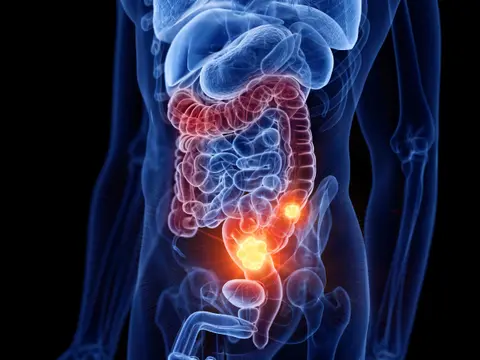
Colon Cancer Emergencies (Part 3)
By the end of this episode, you will be able to; Recognize and diagnose acute GI bleeding secondary to colon cancer. Develop an approach to acute bleeding with a good understanding of the different treatment modalities available.
March 9, 2022
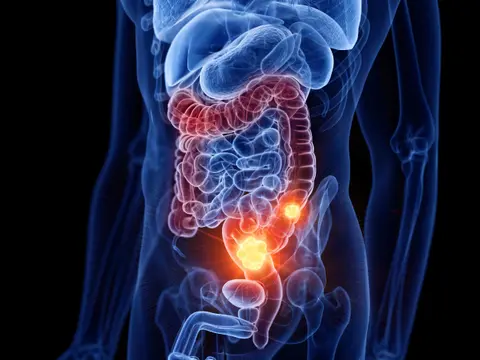
Colon Cancer Emergencies (Part 2)
By the end of the episode, you will be able to; Understand the pathophysiology of bowel perforation secondary to colon cancer and how it may present. Demonstrate an approach to diagnosis and management of bowel perforation. Be familiar with the different treatment techniques, for such emergencies.
March 2, 2022
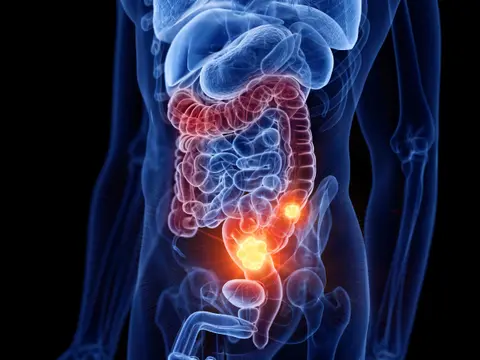
Colon Cancer Emergencies (Part 1)
By the end of this episode you will be able to; Recognize the first main emergent presentation of colon cancer, how to diagnose, and how to manage them. Know when to utilize damage control measures and how to identify unstable patients. Understand the different treatment options for right versus left-sided obstructions.

Feb. 23, 2022
Laryngomalacia
After this podcast learners should be able to Define laryngomalacia and discuss why it is an important topic Describe the pathophysiology and classifications of laryngomalacia Outline the typical presentation of the condition Develop a differential diagnosis for chronic stridor in pediatric patients Outline the workup for a patient presenting with chronic stridor Describe options for […]

Feb. 16, 2022
Approach to Nocturnal Enuresis
After this podcast learners should be able to Define nocturnal enuresis and why this is an important issue Describe the pathophysiology and risk factors for nocturnal enuresis Develop a differential diagnosis for nocturnal enuresis (monosymptomatic vs non monosymptomatic) Describe the investigations for a patient presenting with nocturnal enuresis Describe options for behavioral and pharmacological interventions […]
Feb. 9, 2022
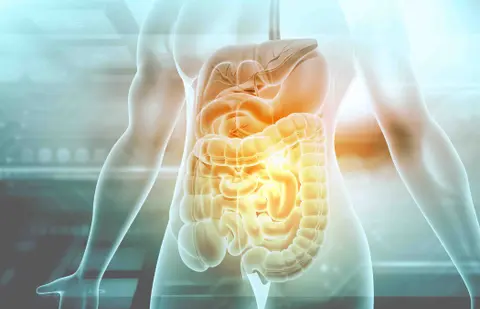
Gastrointestinal Stromal Tumors
By the end of this episode, you will be able to: Describe the pathogenesis of GIST Recognize the clinical presentation of GIST including history and physical findings List potential differential diagnoses Describe treatment modalities

Feb. 2, 2022
Rhinoplasty
By the end of this episode, you will be able to: Identify the various indications of rhinoplasty. Recognize the nasal anatomy that is being manipulated in the procedure. Describe in brief different surgical approaches, complications, and post-operative care for rhinoplasty.
Jan. 26, 2022
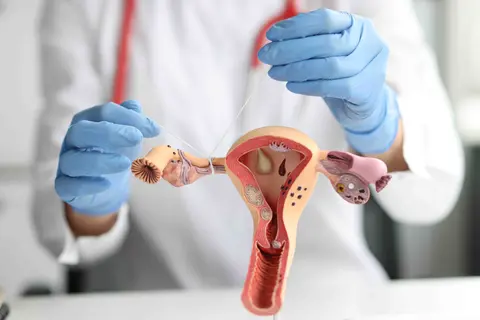
Tubal Ligation
By the end of this episode you will be able to: Understand why culturally safe and trauma-informed care is necessary when discussing tubal ligation Understand why counselling before the procedure is important and what to discuss with the patient Describe the different methods available for tubal ligation and recognize which methods are preferable for certain […]