Episodes

Jan. 19, 2022
Stress Incontinence and Urethral Sling Surgery
By the end of this episode you will be able to: Understand the prevalence of stress urinary incontinence and its impacts on quality of life Recognize the clinical presentation of stress urinary incontinence including history and physical exam Describe the pathophysiology of stress urinary incontinence and its 2 sub-types Describe the different techniques of mid-urethral […]

Jan. 12, 2022
Ventilators (Part 2)
By the end of this episode you will be able to: Understand pressure versus volume control ventilation Describe how different ventilator modes can be used for surgical induction, maintenance and emergence Describe clinical indications of readiness for extubation
Jan. 5, 2022
Ventilators (Part 1)
By the end of this episode you will be able to: Understand the concepts of ventilation and oxygenation Describe the essential settings available on the ventilator Recognize and problem solve basic ventilation and oxygenation problems you might encounter in the OR

Dec. 29, 2021
Cervical Cancer
After listening to this podcast, listeners should be able to: Develop a differential diagnosis for heavy, irregular vaginal bleeding. Outline the diagnostic work-up for cervical cancer and interpret based cervical biopsy results. Describe the general staging system for cervical cancer and explain how it guides treatment-intent. List the pros and cons of the different treatment […]

Dec. 22, 2021
Female Genital Cutting (FGC) Part 2
The objectives of this two-part podcast are to: Discuss the prevalence, current trends, and motivations behind FGC Describe the different types of FGC Detail the legality of FGC in Canada Discuss the immediate and long term consequences of FGC Discuss the clinical management of women with FGC with respect to gynecologic and obstetric care Develop […]

Dec. 15, 2021
Female Genital Cutting (FGC) Part 1
The objectives of this two-part podcast are to: Discuss the prevalence, current trends, and motivations behind FGC Describe the different types of FGC Detail the legality of FGC in Canada Discuss the immediate and long term consequences of FGC Discuss the clinical management of women with FGC with respect to gynecologic and obstetric care Develop […]

Dec. 8, 2021
Male Gender Affirming Surgery
By the end of today’s episode, the learner will be able to: Describe Surgical approaches used for male gender affirming surgery, including metoidioplasty, phalloplasty and testicular and penile implants Outline complications commonly seen after male gender affirming surgery

Dec. 1, 2021
Female Gender Affirming Surgery
By the end of today’s episode, the learner will be able to: Describe the pre-operative considerations relating to gender affirming surgery Outline the embryological origins of the external genitalia Describe the common surgical techniques used in female gender affirming surgery List complications commonly encountered after female gender affirming surgery

Nov. 24, 2021
Gender Affirming Surgery – Introduction
By the end of today’s episode, the learner will be able to: Describe basic terms relating to about the transgender community Comfortably use inclusive language and pronouns Describe the DSM-IV diagnosis of gender dysphoria, and Recognize the elements of the pathway to receiving gender affirming surgery in Canada

Nov. 17, 2021
Equity, Diversity, and Inclusion in Surgical Education
In recent times, the terms “equity, diversity, and inclusion” or “EDI” have become buzzwords for academic institutions to demonstrate their commitment to social accountability. Although incredible work is being done, it is important to remember why it was necessary in the first place and what the ultimate goals are. Today, as I discuss EDI in […]

Nov. 10, 2021
De Quervain’s Tenosynovitis
After listening to this episode, learners should be able to: Describe the typical clinical presentation of De Quervain’s tenosynovitis Explain the pathophysiology for De Quervain’s tenosynovitis Outline the diagnosis and management of the patient with De Quervain’s tenosynovitis.

Nov. 3, 2021
Mallet Finger
After listening to this episode, learners should be able to: Describe the typical clinical presentation of mallet finger Explain the pathophysiology for mallet finger Outline the diagnosis and management of the patient with mallet finger.

Oct. 27, 2021
Dupuytren’s Contracture
After listening to this episode, learners should be able to: Describe the typical clinical presentation of Dupuytren’s contracture Explain the pathophysiology and list common risk factors for Dupuytren’s contracture Outline the diagnosis and management of the patient with Dupuytren’s contracture.

Oct. 20, 2021
Trigger Finger
After listening to this episode, learners should be able to: Describe the typical clinical presentation of trigger finger Explain the pathophysiology and list common risk factors for trigger finger Outline the diagnosis and management of the patient with trigger finger.
Oct. 13, 2021
Peripheral Bypass Grafts
By the end of this video episode, you will: Review basic principles of vascular bypass grafts Review surgical terms used Understand potential complications of bypass grafts Understand the basic steps of various bypass grafts
Oct. 6, 2021
Peripheral Arterial Disease
At the end of the episode, the learner will know the: Pathophysiology of PAD Clinical features of PAD Medical and surgical management of PAD
Sept. 29, 2021
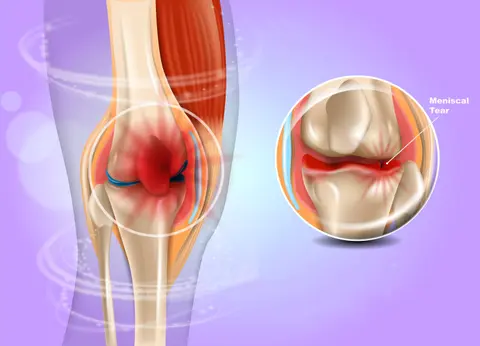
Meniscal Tears
By the end of this episode, you will be able to: Recognize the clinical presentation of meniscal injury on history and physical exam. Describe the anatomy of the menisci and classification of tears. Describe operative and non-operative management options for meniscal tears, including the indications, risks, and benefits of each.

Sept. 22, 2021
Degenerative Cervical Myelopathy
At the end of this episode, learners will be able to: Define Degenerative Cervical Myelopathy Understand why it’s important The relevant pathophysiology of DCM and how patients present The prognosis of DCM

Sept. 15, 2021
Giant Cell Arteritis
In this podcast, listeners will learn about Giant Cell Arteritis, specifically with regards to: Exactly what giant cell arteritis is, and its pathophysiology Factors that are associated with its occurrence How it clinically manifests in patients, and how you can recognize it Other common differentials What urgent management is required, as well as considerations for […]
Sept. 8, 2021
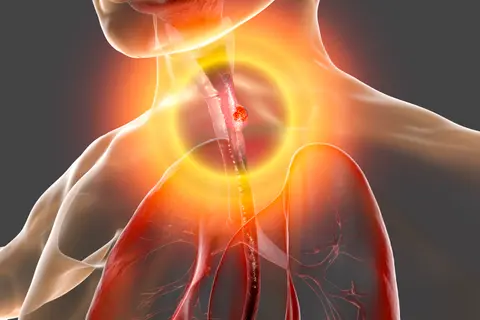
Esophageal Perforations / Temporal Arteritis
After this episode, listeners should be able to: Understand the basic anatomy of the esophagus Recognize the causes of an esophageal perforation Identify the locations and clinical presentations of an esophageal perforation List a differential diagnosis Understand the preoperative work up for diagnosing an esophageal perforation Describe the treatment Describe the major steps in the surgical repair of an esophageal perforation

Sept. 1, 2021
Necrotizing Enterocolitis
After listening to this episode, learners will be able to: Define necrotizing enterocolitis and understand its importance as one of the most common gastrointestinal emergencies Describe the pathophysiology and potential risk factors Identify common clinical features and physical exam findings Outline appropriate investigations and treatment options

Aug. 25, 2021
Tracheoesophageal Fistulas and Esophageal Atresias
After listening to this episode, learners will be able to: Define tracheoesophageal fistulas and esophageal atresias and understand their importance Describe the pathophysiology and potential associated anomalies Identify common clinical features and physical exam findings Outline appropriate treatment options and potential complications

Aug. 23, 2021
Life After COVID-19: Reflections on a Global Pandemic
In this video, Dr Jonathan White from Surgery 101 shares his reflections on the effects of the global COVID – 19 pandemic. The opinions expressed in this video are solely his own, and do not reflect the opinions and beliefs of any other people or organizations. Follow us for more great content on the Surgery […]

Aug. 18, 2021
Intestinal Atresia
After listening to this episode, learners will be able to: Define an intestinal atresia and understand its importance Describe the pathophysiological processes leading to this condition Identify common clinical features and physical exam findings Outline appropriate investigations and treatment options Outline the prognosis and potential complications