Episodes
12
July 31, 2022
In pursuit of energy equity
Cleveland, like many cities, aims to become greener in the coming decades by decarbonizing infrastructure and using renewable energy. However, implementing solutions has its challenges, from technological to financial. Add to this the challenges of ensuring equity, and the situation gets even more complex.
11
July 1, 2022
Vanishing tree
What happens to a community or a livelihood when a key resource disappears? In Southwest Madagascar, the farafatse tree, a tree of great importance in that region, appears to be vanishing, and where it is traditionally found seems to be shifting. A team of researchers are investigating this phenomenon in concert with Malagasy communities to identify causes and potential risks for plant life more broadly.
10
June 1, 2022
Water's plastic problem
Plastic of all shapes and sizes is showing up in bodies of water around the world, including microplastics, which are 5mm or less in size. But how these tiny pieces of plastic move through water and what impacts that movement is still a bit of a mystery. This includes biofilms, the thin layers of organisms that build up on material found in water.
9
April 30, 2022
When the levee breaks
A team of researchers seeks to better understand the social effects associated with flooding, such as whether racial and ethnic minorities, children, and those with low income suffer the most.
8
April 1, 2022
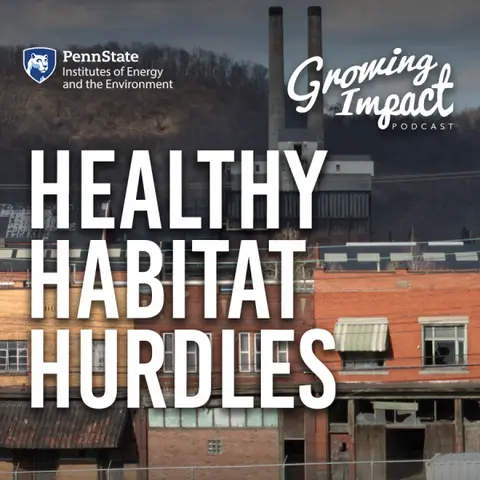
Healthy habitat hurdles
Melissa Bopp and her colleagues examine the role of the built and natural environments and their influence on physical activity, healthy eating, and air quality in the Mon Valley, an area that has seen steady economic decline since the departure of the steel industry in the late 20th century.
7
Feb. 28, 2022
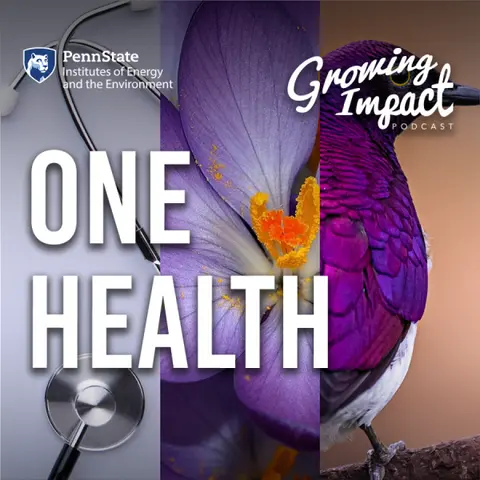
One Health
A transdisciplinary team of Penn State researchers is exploring how One Health, an approach that recognizes the interconnectedness among human health, ecosystem health, and animal health, may be able to tackle complex health problems facing Pennsylvania.
6
Jan. 31, 2022
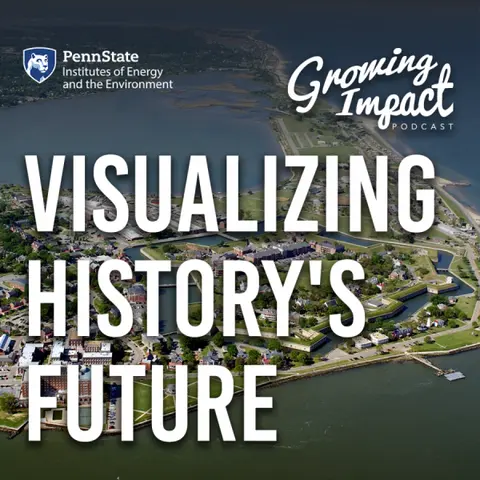
Visualizing history's future
As sea-levels rise due to climate change, historical monuments and landscapes near bodies of water are at risk. A new research project will provide decision makers with information on what that could look like for their site. Specifically, the project is focused monuments and landscapes that are significant to African American, Indigenous, and other minority communities.
5
Dec. 31, 2021
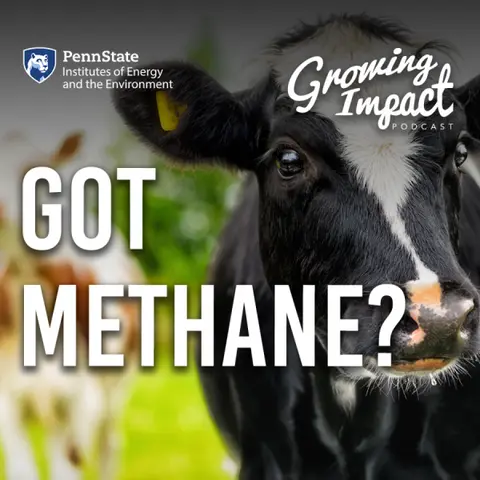
Got methane?
The latest episode of the Growing Impact podcast features a research team that is designing and building a biofiltration system that can reduce greenhouse gas emissions, specifically methane and carbon dioxide.
4
Nov. 30, 2021
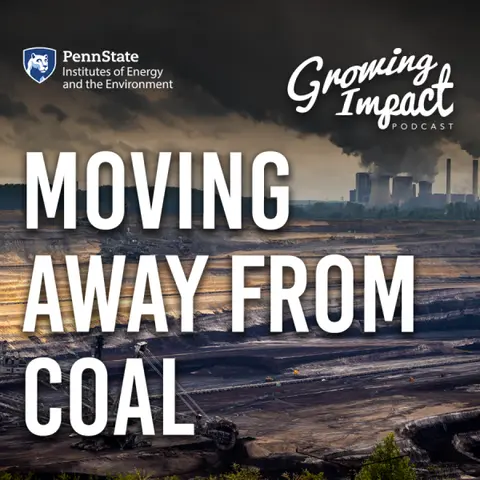
Moving away from coal
This episode of Growing Impact features Emily Pakhtigian, assistant professor of public policy and the Jeffrey L. and Sharon D. Hyde-McCourtney Career Development Professor. On the podcast, she discusses her seed grant project, titled “Assessing Distributional Effects of Coal-Fired Power Plant Operations on Pollution and Health,” through which she and her colleagues are investigating how the transition away from coal-fired power plants is impacting the environment and health of communities in Pe...
3
Oct. 31, 2021
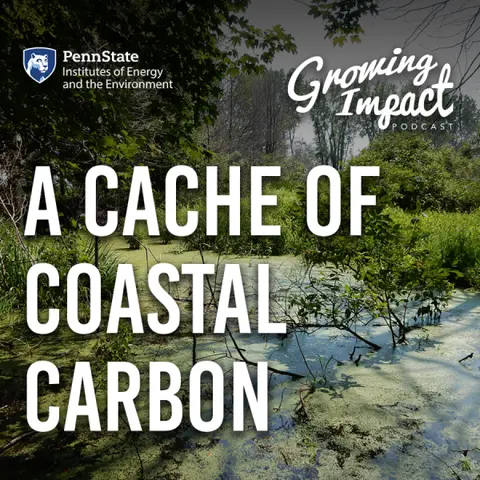
A cache of coastal carbon
Lisa Emili, an associate professor of physical geography and environmental studies at Penn State Altoona, discusses her project titled “Coastal Carbon Dynamics in a Riparian Buffer Ecosystem, Lake Erie Basin,” which is investigating carbon accumulation in freshwater wetlands around the Great Lakes area. She and her team are interested in better understanding how these wetlands fit into the carbon cycle and how these areas can help impact climate change.
2
Sept. 30, 2021
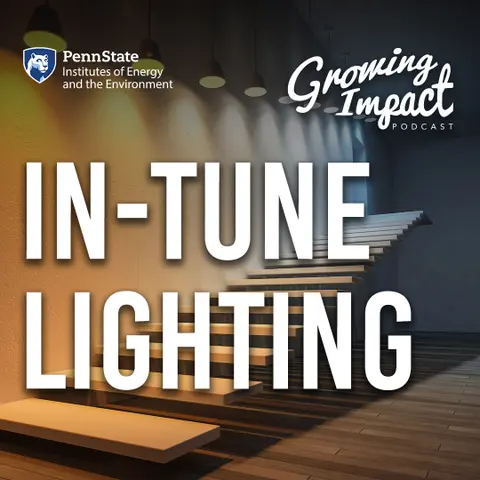
In-Tune lighting
Penn State researchers, Julian Wang and Anne-Marie Chang, discuss their seed grant project that investigates how indoor lighting can be adjusted to save energy and positively impact human health.
1
Sept. 1, 2021
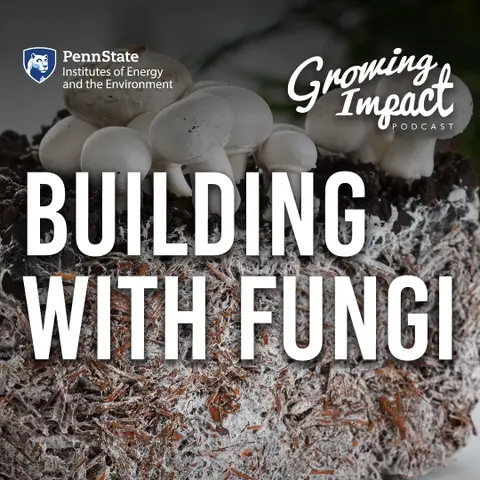
Building with fungi
According to reports, the building industry is responsible for a lot of the carbon emissions in the world, about 37% in the U.S. This includes the production of materials, construction, operation, and even deconstruction. Additionally, the world will need alternative building materials to keep up with the demand of the construction industry. In this episode of Growing Impact, we explore a seed grant project that looks to use mycelium, the root structure of fungi, as a renewable, biodegradable bu...